Monday, October 25, 2010

The Morning Benders: Big Echo

These young-looking chaps from San Francisco have a bright future.  I'm talking don't-look-directly-at-that-150-watt-equivalent-CFL-bulb bright.  Somehow I missed their debut album, but their follow-up, Big Echo, caught my eye with its good reviews and its fantastic album cover (which reminded me of one of my all-time favorite paintings).

The fact that Grizzly Bear's Chris Taylor shared production duties with Morning Benders' lead singer (and driving force) Chris Chu, should give you an idea of the layering within the album (and Chu is a self-professed fan of Phil Specter's "Wall of Sound").  The Morning Benders trade in acoustic-guitar-driven sound of their debut for orchestral arrangements accompanied by guitar, especially noticable on opening (and stand-out) track, "Excuses."  However, the sounds of their debut album can be heard on my favorite track, "Cold War" (but the timpani drums, glockenspiel, handclaps, and woodwinds(?) add to the depth).

Although the album does have slower songs, the upbeat ones are generally my favorites.  "Promises" could be tweaked to be a Grizzly Bear b-side, but "All Day Day Light" is distinctly the Benders' own sound, blending that of their debut with the growth evidenced on Big Echo:


Grade: B+
Blurb: If you've got $5.99, I suggest you pick up this album.

Thursday, October 14, 2010

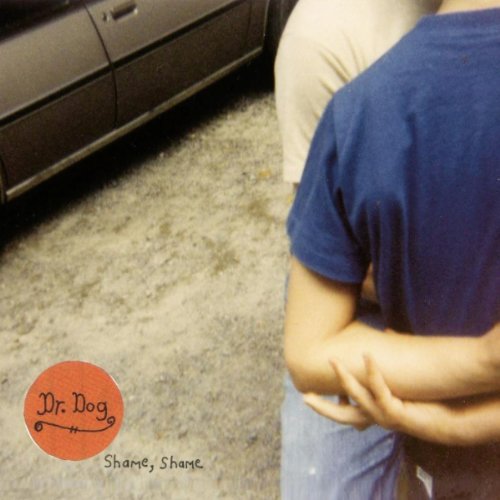
Dr. Dog: Shame, Shame

The folks from Philly known as Dr. Dog have been around for almost 10 years, and for my money, they've only gotten better (which means they're the anti-Weezer).  Fate was one of my favorite records in 2008, and Shame, Shame is just as good, if not better.  Dr. Dog felt they had grown, too, and they switched labels, from tiny indie Park the Van to nice-sized Anti-.
The Beatles-esque harmonizing that has made Dr. Dog so enjoyable is back, and their 1960s homage to pop-rock is even more prominent.  The album also feels a little more personal.  Referencing specific streets in West Philadelphia (born and raised?) gives "Shadow People" the sense that the narration is non-fiction.  "Station" references the drain and strain of touring (perhaps the only track that both feels and sounds melancholy), while "Jackie Wants a Black Eye," tackles serious subject matter (physical pain being only thing that can provide the sense of being alive), but you wind up tapping your toe.

Dr. Dog pulls off the same trick (somber lyrics + upbeat music) with "Where'd All the Time Go," which contains a sad story (being depressed, attending funerals, anti-social behavior) but somehow leaves you feeling optimistic.  Hear for yourselves (in this unofficial video):


Grade: B+/A-
Blurb: I can't wait until their next album because they've already put out a new little ditty.  Pick this album up, it's a keeper.

Saturday, October 9, 2010

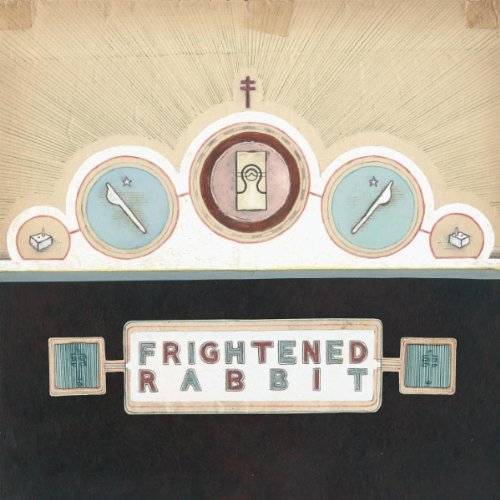
Frightened Rabbit: The Winter of Mixed Drinks

These Scotsmen know how to rock.  Their debut album, 2008's Midnight Organ Fight, rocks, but it is partially in the fetal position in the corner, dealing with the pain and anger following a broken heart.  The Winter of Mixed Drinks, however, has the tone and feel of an album that is "over it."  If Organ Fight is the setting sun at the end of a long and painful day, Mixed Drinks is the dawn of the next morning, bringing with it hope and healing.
The opening track, "Things," makes it clear that the narrator has moved on; he realizes that things are just things, so he abandons them and embraces the freedom.  From there, he moves on and he doesn't care to where, offering up one of my year's favorite lyrics: "Swim until you can't see land."  Continuing to find self-assurance, lead singer Scott Hutchison proclaims one another song that a girl in his past "was not the cure for cancer."  One of the song titles, in fact, is "Not Miserable."

In addition to the less depressing lyrics, the tempo and sound of the music seems happier -- not cheesier, mind you, but filled a bit more with contentment.  Even the slower-paced piano rock of "FootShooter" or the fuzzed-out and few-noted "Not Miserable" don't feel melancholy.  While no song matches the pace of "Living in Colour," it's "Swim" that takes the cake on this album with its added strings:


Grade: B+
Blurb: If you're in the midst of post-break-up angst, then throw on Organ Fight and cry it out, but if you've moved on or if you're trying to move on, Mixed Drinks should give you a buzz.

Monday, September 6, 2010

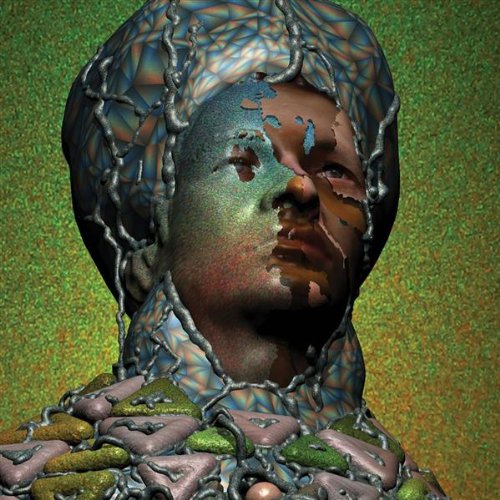
Yeasayer: Odd Blood

These Canadians are weird.  But it's weird in a good way ... mostly.  Sometimes the weirdness can get a little out of control, but when its kept within bounds, it works.  That may sound like a contradiction; weirdness doesn't necessitate neatness, and I'm not advocating for a tidy sound that can be packaged away in a little box, but Yeasayer has a tendency to let their freak flag fly.  Maybe that's the only way to do it; go big or go home, as they say. Perhaps part of Yeasayer's weirdness is to let it fully take control -- no boundaries -- but for my ears, the weirdness works best when it's contained.

Odd Blood's lead single, "Ambling Alp," is a good example of this combination of weirdness and goodness.  First, the lyrics are fantastic, referencing 1930s boxing great Max Schmelling (whom I read about in a grad seminar a few years back), lead vocalist Chris Keating goes all falsetto, the beats almost have a bow-bow-chicka-chicka-ohhh-yeahhhh feel, and the synth lets out fart-like sounds during the chorus and then saxophone lines during the bridge.  Weird, but it totally works.
There are other songs, however, for which the weirdness gets a little out of control: the vocal synth thing on opening track "The Children"; the over the top Star-Wars-cantina-scene synth instrument in "Rome"; and the unnecessary sense of urgency provided by the beats and fast-paced vocals on "Mondegreen."

Yeasayer doesn't just make weird music, they also make weird music videos.  Check out Kristen Bell (AKA Sarah Marshall AKA Uda Bengt) taking care of whatever this thing is in the video for "Madder Red", or stay here and watch the weirdness on top-track "Ambling Alp":


Grade: C
Blurb: Weird but good... but sometimes the scales tip in the balance of weird.

Wednesday, September 1, 2010

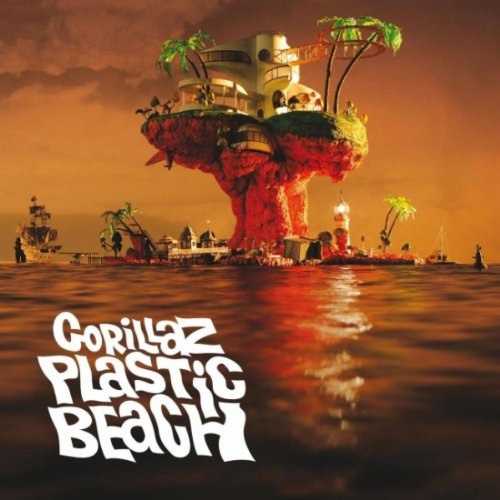
Gorillaz: Plastic Beach

I found it hard to believe that Gorillaz hadn't put out anything since 2005 ... five years is a long time between albums (unless you're Guns N' Roses).  Perhaps I had my expectations set too high after five Gorillaz-less years, or perhaps the lack of involvement of Danger Mouse took it's toll, but Plastic Beach is not up to the standard set by Demon Days.

The first clue that I was about to be let down by Beach should've been the first track with vocals, which featured the rhymes of Snoop Dogg.  I've never been a fan of the D-O-double-G, or any of his rap-izzles (what?).  However, I was tricked after that when the album's two best songs, "White Flag" and "Rhinestone Eyes," followed directly thereafter.  The rest of the album, with the exception of "Sweepstakes" (featuring white people's favorite rapper, Mos Def) is mediocre. 

I don't know if I can put my finger on the specific reason why Beach doesn't earn the favor that Days does, but Beach lacks something -- harder beats, glitchy-ness, experimentation, heart -- something.  And the experimentation that comes on some songs falls flat (like the random dude belting it out at the end of "Stylo," or the random chick singing at the end of "Empire Ants," totally ruining both tracks for me), although I appreciated the freshness of "Superfast Jellyfish."  The track "Rhinestone Eyes" seems reminiscent of past Gorillaz efforts:


Grade: C+
Blurb: It's not bad ... it's just not that good (that's what mediocre means).  After five years, I expected a bit more punch.